
The Science of Growing
Your body does something remarkable every single day — it grows, repairs, and rebuilds itself without you thinking about it for even a second.
Starts Tue, Dec 1
10:30 PM UTC · 45m
4 sessions
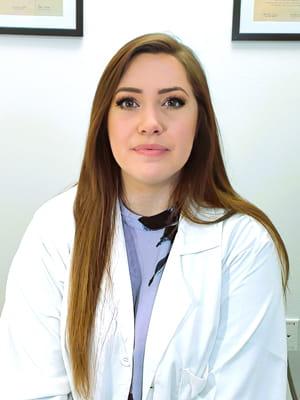
Tabitha
4.3
Outcomes, not lecture notes.
Explain how cells communicate with one another to coordinate growth across different parts of the body
Describe the biological mechanisms behind growth spurts, including the roles of hormones and growth plates
Trace how the body converts food and nutrients into new tissue — including bone, muscle, and teeth
Identify the key nutrients required for healthy development and explain what each one does at the cellular level
Interpret your body's signals — hunger, fatigue, soreness — as biological feedback and understand what they're telling you
Compare the processes behind different types of growth, from replacing baby teeth to lengthening long bones
Connect everyday experiences of growing up to the underlying science of cell division, metabolism, and tissue remodeling
Meet Tabitha.

Tabitha
A dedicated medical educator and director of clinical content, Dr. Tabitha Michaud combines her clinical expertise with a passion for teaching. Her comprehensive experience—from pediatric rotations to multidisciplinary research—enables her to develop engaging, evidence-based educational materials across a variety of STEM topics. Dr. Michaud is the creator of Varsity Tutors' "Mini Med School" summer camp, and regularly teaches fun, interactive biology classes to help learners understand what happens when they get sick and how rewarding medical careers can be.
Your body does something remarkable every single day — it grows, repairs, and rebuilds itself without you thinking about it for even a second. But how does it actually work? The Science of Growing invites curious students to investigate the biology happening inside their own bodies: how cells communicate to trigger a growth spurt, how food gets converted into longer bones and stronger muscles, and how your body signals what it needs through hunger, fatigue, and more. Led by pediatrician Dr. Tabitha Michaud, this class turns the everyday experience of growing up into a fascinating scientific inquiry — one where you are the subject. Whether you're drawn to biology, interested in health and medicine, or just genuinely curious about why your shoe size changed overnight, this course delivers real answers.
Why Growing Up Is Actually Incredible Biology
Growth feels ordinary because it's constant — but stop and think about it for a moment, and it becomes genuinely strange. How does your body know it's time to add a few inches? How does a single meal turn into new bone or muscle? How do you sleep through a process that's rebuilding you from the inside? The Science of Growing is built around exactly these questions, led by pediatrician Dr. Tabitha Michaud, who brings both scientific expertise and years of experience working with young patients to make the biology of development vivid, concrete, and relevant. This course treats students not as passive recipients of facts, but as investigators — using their own bodies as the most fascinating case study available.
How Your Cells Know What to Do
One of the course's core mysteries is coordination: your body contains trillions of cells, and somehow they all get the message at roughly the right time to grow in the right direction. Students will explore how cells communicate using chemical signals — including hormones like human growth hormone and IGF-1 — and how that signaling triggers growth in specific tissues while leaving others untouched. This unit demystifies why growth spurts happen when they do, why they seem to hit overnight, and why different parts of your body grow on different timelines.
From Food to You: The Science of Building a Body
Every inch of height, every new tooth, every added pound of muscle had to come from somewhere — and that somewhere is your diet. Students will follow the journey of nutrients from the plate to the cell, learning how the body breaks down food and redirects its components to build new tissue. Bone growth, muscle development, and even the replacement of baby teeth all require specific raw materials, and this section of the course makes those biochemical pathways tangible. Students come away with a genuine understanding of why nutrition isn't just about energy — it's about having the right building blocks available when your body needs them.
Reading Your Body's Signals
Your body doesn't grow silently — it tells you what it needs through hunger, soreness, fatigue, and sleep pressure. Dr. Michaud guides students through interpreting these signals as biological feedback: what's actually happening physiologically when you feel a muscle ache after a workout, why teenagers need more sleep than adults, and what happens at the cellular level when your body is in repair mode. This unit is practical as well as scientific — students finish with a clearer sense of how to respond to their body's cues in ways that support healthy development.
What You'll Walk Away With
By the end of The Science of Growing, students won't just know more biology — they'll see their own bodies differently. The course builds a coherent picture of human development that connects cell biology, endocrinology, nutrition, and physiology into a single, understandable story. For students interested in medicine, health sciences, or biology, it's an early and engaging look at how these fields intersect in real life. And for any student who has ever wondered why their body works the way it does, it delivers something even more valuable: genuine, satisfying answers.
Live Q&A
Cameras / mics optional
Recordings
Available within 1 hour, kept 90 days
Materials
No special materials required
Similar classes
free with a Varsity Tutors membership
84
DAYS08
HRS54
MINTue, Dec 1 • 10:30pm UTC
4 classes, starts in 84 days
The Science of Growing


