Summer Learning: Bridging the Gap to 3rd Grade Reading
Heading into 3rd grade is a big leap — and this course makes sure your child is ready for it.
Starts Thu, Aug 20
9:00 PM UTC · 45m
4 sessions
Alyssa
4.5
Outcomes, not lecture notes.
Use context clues (definitions, examples, and contrasts in surrounding text) to figure out the meaning of unfamiliar words
Identify the main idea of a paragraph or short passage and distinguish it from supporting details
Decode base words, prefixes (*un-*, *re-*, *dis-*), and suffixes (*-ing*, *-ed*, *-ly*) to unlock the meaning of new words
Sequence events in a story using transition words like *first*, *next*, *then*, and *finally*
Summarize reading selections by distilling the central theme into key points
Apply active reading strategies — questioning, predicting, and visualizing — to deepen comprehension
Draw inferences and support conclusions using evidence directly from the text
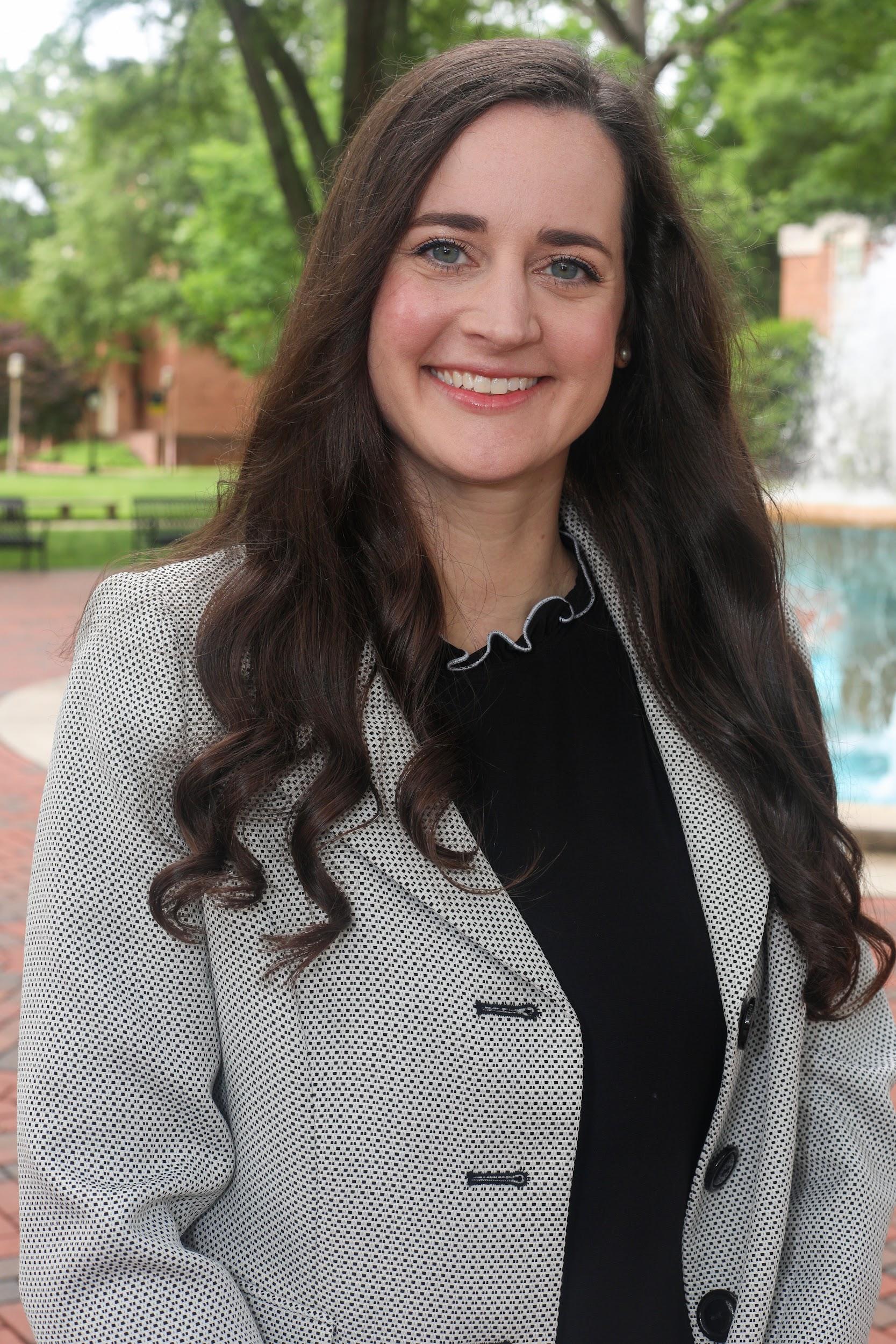
Meet Alyssa.
Alyssa
An experienced and versatile educator, Alyssa Elswick brings ten years of teaching expertise to both classroom and online settings. Specializing in elementary education, she designs engaging, standards‑aligned curricula that integrate technology and innovative teaching strategies. Alyssa's commitment to personalized learning and continuous professional development ensures that every student is supported and inspired to achieve their full potential. A Reading Olympics coach and Beginning Teacher of the Year award-winner, Alyssa teaches for Varsity Tutors and Virtual Virginia.
Heading into 3rd grade is a big leap — and this course makes sure your child is ready for it. Designed for students finishing 2nd grade, this four-session summer reading series targets the exact skills that make or break early reading success: decoding unfamiliar words, identifying main ideas, understanding word structure, and following the sequence of events in a story. Students work through stories, articles, and hands-on activities that build real comprehension — not just the ability to read words aloud, but to truly understand and think about what they're reading. By the end of the course, students will enter 3rd grade with sharper vocabulary, stronger comprehension strategies, and the confidence to tackle more challenging texts.
Who This Course Is For This course is built for students who have just finished 2nd grade and are gearing up for the jump to 3rd grade reading. Whether your child is a confident reader who needs a tune-up or someone who struggled a bit this past year, this course meets them where they are and moves them forward. The skills covered here — context clues, main idea, word structure, and sequencing — are exactly what 3rd grade teachers expect students to walk in knowing.
Cracking the Code on Unfamiliar Words One of the biggest challenges young readers face is hitting a word they don't know and shutting down. This course teaches students not to panic — instead, they learn to use context clues from the surrounding sentences to infer meaning. Students explore three types of context clues: direct definitions embedded in the text, examples that illustrate a word's meaning, and contrasts that hint at what a word means by showing what it isn't. Alongside that, students dig into word structure — learning to spot root words and understand how prefixes like un-, re-, and dis- and suffixes like -ing, -ed, and -ly change a word's meaning. These two skills together give students a powerful toolkit for tackling vocabulary independently.
Finding the Point: Main Idea and Supporting Details A lot of young readers finish a passage and can retell what happened — but struggle to say what it was about. This course directly addresses that gap. Students practice locating the main idea of a paragraph (often hiding at the beginning or end of a text), separating it from the supporting details that back it up, and summarizing what they've read in their own words. These skills aren't just about reading comprehension tests — they're the foundation of critical thinking that students will use across every subject.
Sequencing and Story Structure Understanding the order of events is essential to understanding a story. Students in this course practice placing events in chronological order, using transition words (first, next, then, finally) as navigational signals, and reconstructing scrambled story events into a logical sequence. This work builds not just comprehension, but narrative thinking — the ability to understand cause and effect, story arc, and how one event leads to another.
Active Reading and Critical Thinking This course goes beyond passive reading. Students are taught to engage with text by asking questions before and during reading, making predictions, and visualizing scenes and characters as they read. They also practice drawing inferences — using clues from the text to figure out things the author doesn't say outright — and comparing different perspectives within a story. These habits of mind turn students into active, curious readers rather than word-by-word decoders.
What Students Walk Away With By the end of this four-session course, students will have a concrete set of strategies they can apply every time they sit down with a book, article, or poem. They'll know how to figure out unfamiliar words, find the main point of what they've read, understand the structure of a story, and think critically about text. Most importantly, they'll head into 3rd grade feeling prepared and confident — ready to take on the more complex reading their new classroom will demand.
Live Q&A
Cameras / mics optional
Recordings
Available within 1 hour, kept 90 days
Materials
No special materials required
Similar classes
free with a Varsity Tutors membership
13
DAYS13
HRS02
MINThu, Aug 20 • 9:00pm UTC
4 classes, starts in 13 days
Wed, Aug 12 • 7:00pm UTC
1 class, starts in 5 days
Tue, Aug 11 • 10:00pm UTC
3 classes, starts in 4 days
Summer Learning: Bridging the Gap to 3rd Grade Reading