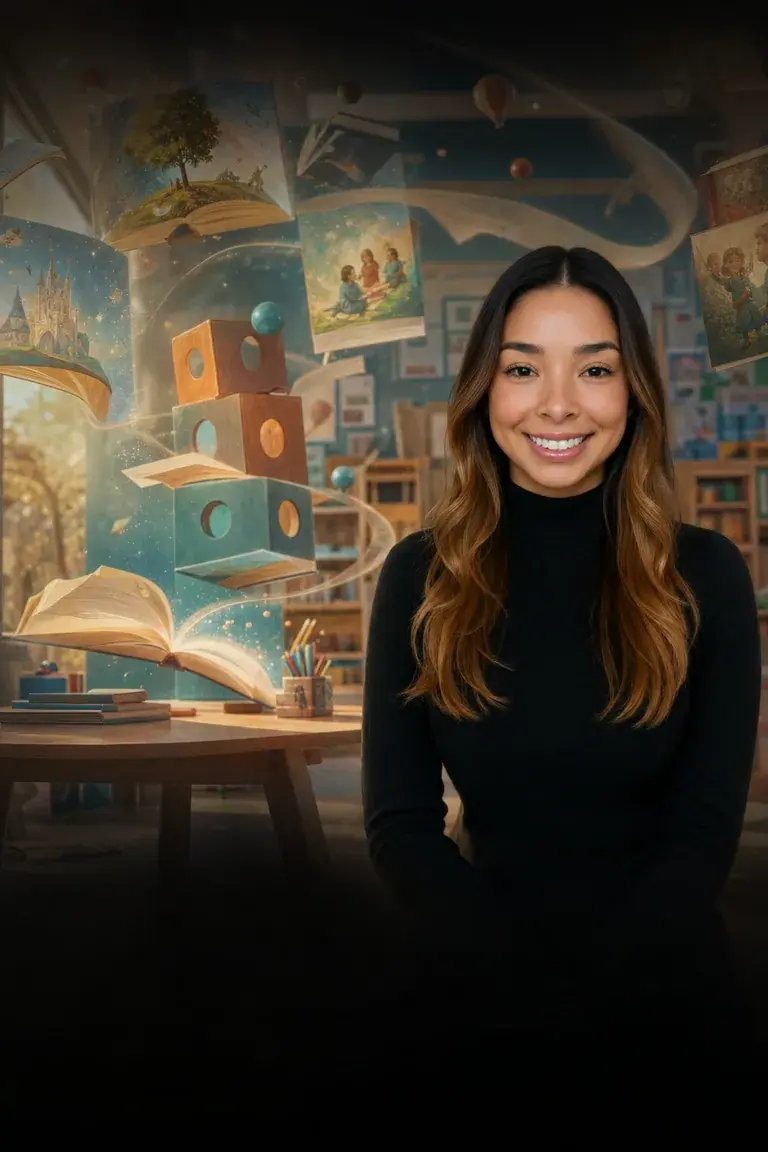
Building Blocks of 1st Grade Reading
When sounding out words still takes all your child's effort, there's little left for enjoying the story.
Starts Mon, Nov 2
10:30 PM UTC · 45m
4 sessions
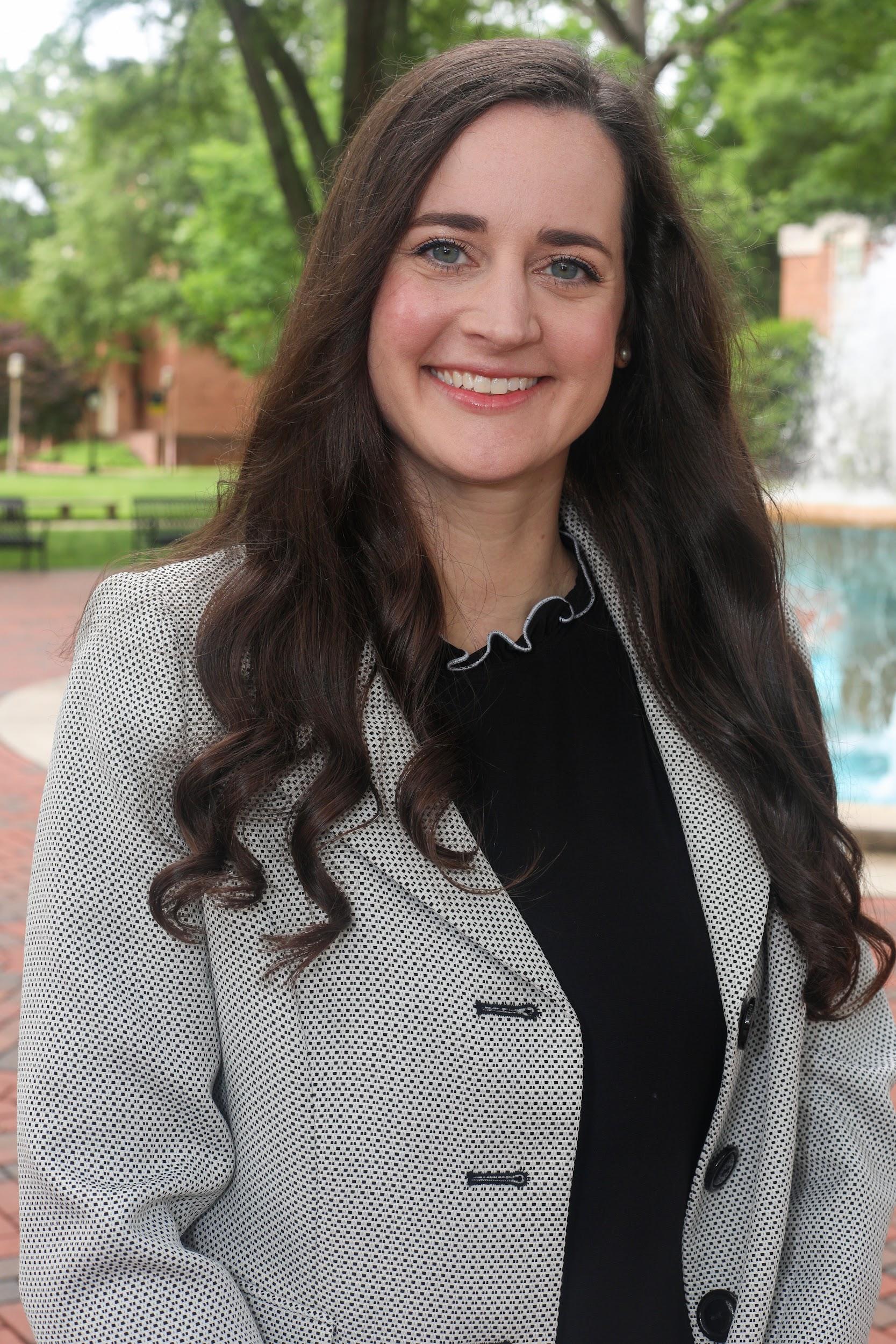
Alyssa
4.5
Outcomes, not lecture notes.
Decode short and long vowel sounds automatically, distinguishing between patterns like /ă/ in *cat* and long A in *acorn* or *cake*
Identify and pronounce r-controlled vowels (ar, er, ir, or, ur) — the "bossy R" combinations that trip up so many early readers
Recognize and read diphthongs, the blended vowel sounds that require a whole new decoding strategy
Blend and segment words at the sound level to crack unfamiliar vocabulary on the page
Visualize stories by building mental images while reading, a strategy that dramatically boosts comprehension and recall
Identify the key elements of a story — character, setting, and plot — and use them to track what's happening and why
Determine the main idea of a passage and summarize it accurately in their own words
Use context clues to figure out the meaning of unfamiliar words without stopping to ask for help
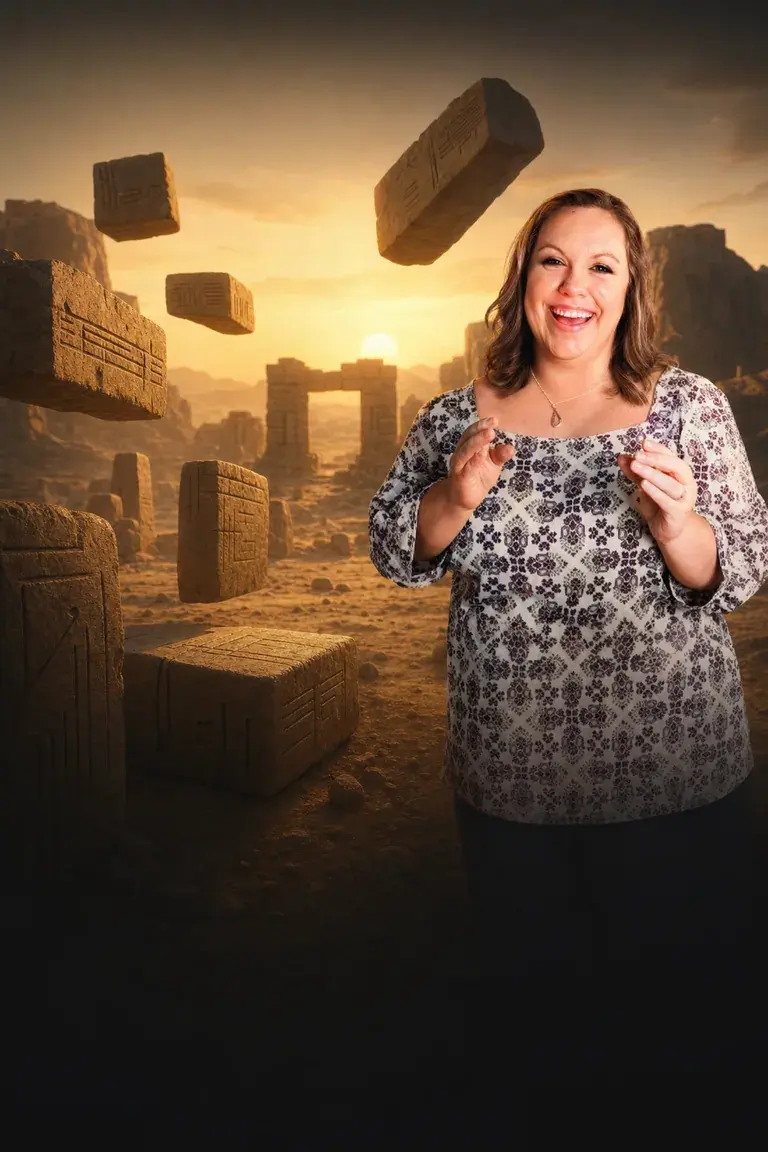
Meet Alyssa.
Alyssa
An experienced and versatile educator, Alyssa Elswick brings ten years of teaching expertise to both classroom and online settings. Specializing in elementary education, she designs engaging, standards‑aligned curricula that integrate technology and innovative teaching strategies. Alyssa's commitment to personalized learning and continuous professional development ensures that every student is supported and inspired to achieve their full potential. A Reading Olympics coach and Beginning Teacher of the Year award-winner, Alyssa teaches for Varsity Tutors and Virtual Virginia.
When sounding out words still takes all your child's effort, there's little left for enjoying the story. In Building Blocks of 1st Grade Reading, a live instructor leads 1st graders through demonstrations and practice on the reading they're doing in school now, from phonics and fluency to stories, while circling back to earlier skills and previewing new ones. Kids try each skill along at home. By the end, your child can blend sounds to read new words and retell a story's key details. For every new reader, from careful sounders-out to kids racing ahead.
Make the Basics Automatic When a student is still working hard on letter sounds or sight words, there's little attention left for understanding what they read. We practice those foundational skills until reading feels smooth and automatic.
Lock In This Year's Learning The school year moves fast, and students are often just on the cusp of getting a topic when the next unit begins. We circle back to key 1st grade skills from earlier in the year, like blending sounds to read new words or retelling a story's key details, that later units depend on.
Tackle What's in Front of You Whatever your class is working on right now, from phonics and fluency to stories and informational texts, students get guided practice and clear strategies for the reading they're doing in school this month.
Preview What's Next Wouldn't we all love a sneak peek at our next challenge before the clock starts ticking and the points start counting? We preview upcoming skills, like long vowel patterns or finding the main topic of a text, so new skills feel familiar instead of intimidating.
Live Q&A
Cameras / mics optional
Recordings
Available within 1 hour, kept 90 days
Materials
No special materials required
Similar classes
free with a Varsity Tutors membership
10
DAYS03
HRS11
MINMon, Nov 2 • 10:30pm UTC
4 classes, starts in 10 days
Sat, Nov 28 • 5:30pm UTC
4 classes, starts in 36 days
Wed, Jan 6 • 11:00pm UTC
4 classes, starts in 75 days
Tue, Oct 27 • 10:00pm UTC
1 class, starts in 4 days
Building Blocks of 1st Grade Reading