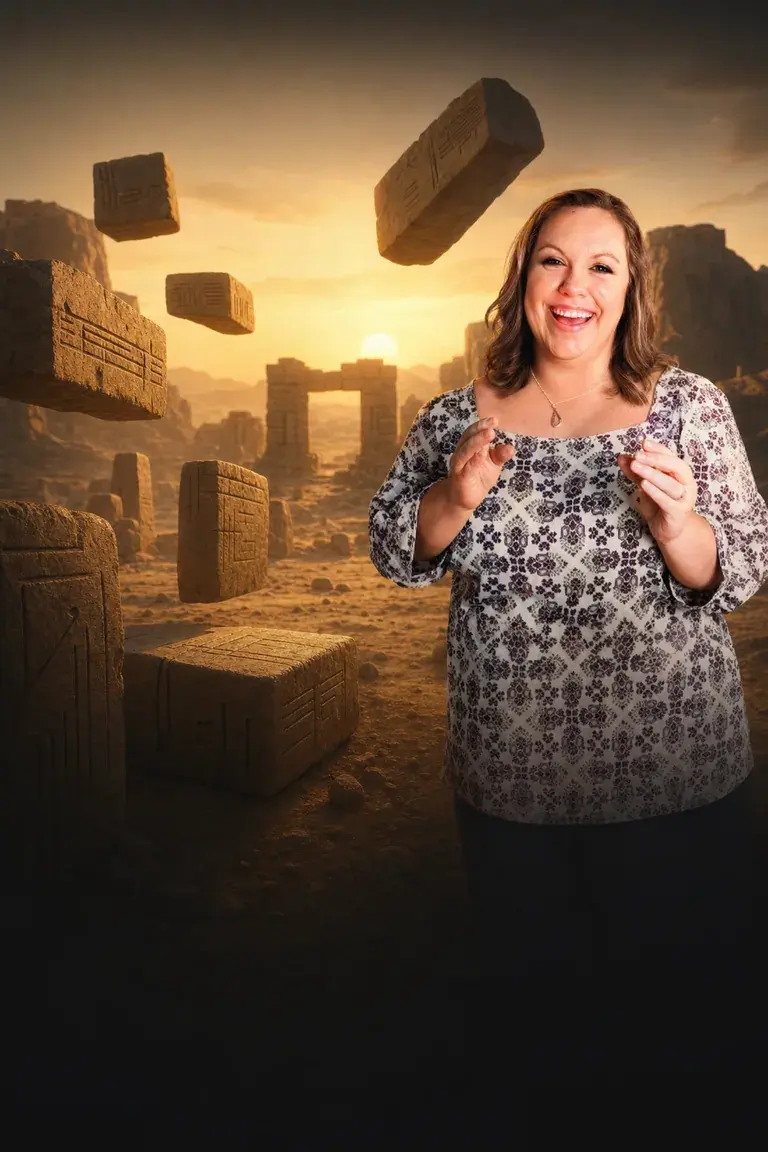
Building Blocks of 7th Grade Reading & Writing
7th grade ELA moves fast — new units, new texts, new essay formats, barely enough time to breathe before the next deadline.
Starts Wed, Oct 28
9:00 PM UTC · 1h
4 sessions

Ayesha
Outcomes, not lecture notes.
Analyze how authors use tone, mood, diction, and imagery to shape a reader's experience
Identify theme versus main idea and trace how authors develop central ideas across a text
Write structured, purposeful paragraphs with strong topic sentences, textual evidence, and effective transitions
Craft and revise narrative, expository, and persuasive pieces — each with genre-specific techniques and organization strategies
Summarize and paraphrase texts accurately without plagiarizing, and properly cite sources including AI-generated content
Use context clues, text structure, and active reading strategies to tackle challenging fiction and nonfiction passages
Apply figurative language, symbolism, and poetic devices when reading and writing across genres
Self-edit and respond to peer feedback to strengthen clarity, voice, and impact across multiple drafts
Meet Ayesha.
Ayesha
An actor, songwriter, author, and pianist, Ayesha is passionate about writing and creativity and thrives on helping students discover their unique voice. Armed with an interdisciplinary arts degree from NYU, Ayesha teaches serious art skills blended with encouragement for unbridled creativity. When she's not performing or teaching, she's focused on learning herself, challenging herself to learn new artistic mediums like photography, dance, and videography.
7th grade ELA moves fast — new units, new texts, new essay formats, barely enough time to breathe before the next deadline. Building Blocks of 7th Grade Reading & Writing is the year-round edge that keeps driven students from just passing skills and actually owning them. This supplemental class runs alongside your regular coursework, deepening mastery of the foundational reading and writing skills — analyzing text, writing with purpose, understanding tone and theme — that your future English classes and standardized tests will demand. Students work through literary analysis, all three major writing genres, paragraph structure, and the craft of revision in a small-group live setting where real practice happens. The students who thrive in 8th and 9th grade ELA aren't the ones who simply turned in every assignment — they're the ones who truly internalized the skills. This is where that happens.
Make the Basics Automatic When a student is still working hard to find a central idea or back up a claim with evidence, there's little attention left for deeper analysis. We revisit the core reading and writing skills from earlier grades until they come naturally.
Lock In This Year's Learning Getting a good grade on a unit isn't the same as owning the skill. We circle back to 7th grade skills from earlier in the year, like analyzing an author's point of view or citing multiple pieces of evidence, that every later unit builds on.
Tackle What's in Front of You Whether your class is reading a novel, analyzing poetry, or writing an argument, students get guided practice and clear strategies for the reading and writing they're doing in school right now.
Preview What's Next Wouldn't we all love a sneak peek at our next challenge before the clock starts ticking and the points start counting? We preview upcoming skills, like structuring an argumentative essay or analyzing how a poem's form shapes its meaning, so new assignments feel familiar instead of intimidating.
Live Q&A
Cameras / mics optional
Recordings
Available within 1 hour, kept 90 days
Materials
No special materials required
Similar classes


free with a Varsity Tutors membership
05
DAYS03
HRS19
MINWed, Oct 28 • 9:00pm UTC
4 classes, starts in 5 days
Sun, Nov 29 • 9:30pm UTC
4 classes, starts in 37 days
Wed, Jan 13 • 1:00am UTC
4 classes, starts in 82 days
Tue, Feb 9 • 11:30pm UTC
4 classes, starts in 109 days
Wed, Mar 10 • 1:00am UTC
4 classes, starts in 138 days
Building Blocks of 7th Grade Reading & Writing