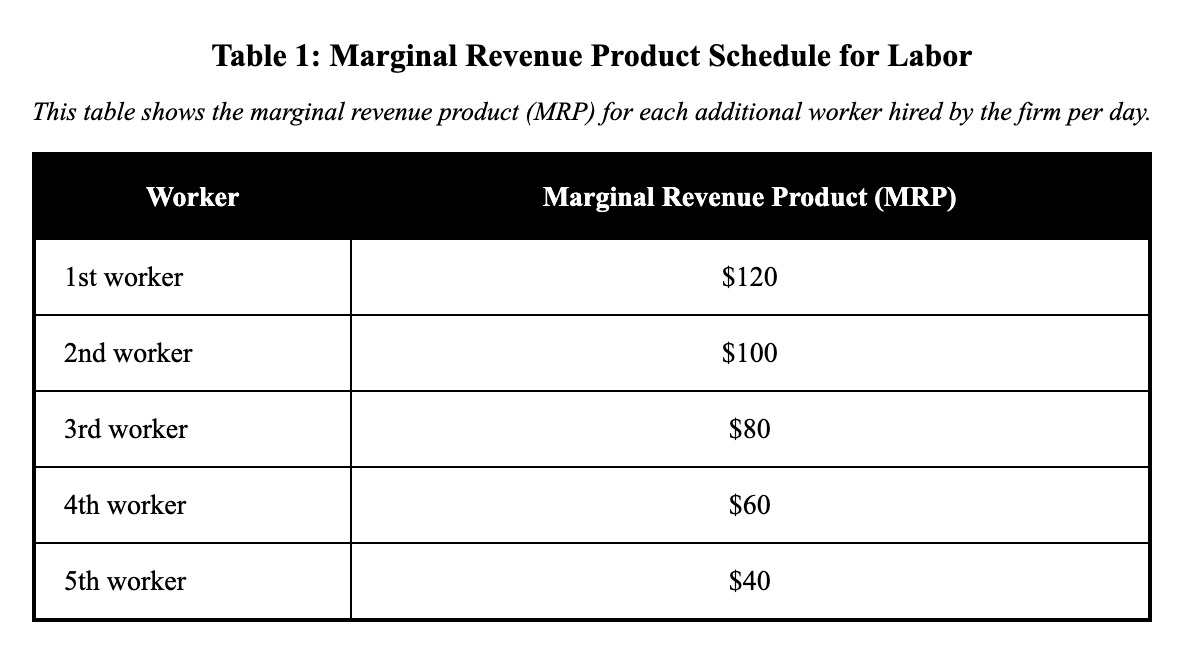
AP Microeconomics Flashcards: Profit Maximizing Behavior In Factor Markets

Study Profit Maximizing Behavior In Factor Markets in AP Microeconomics with focused flashcards that help you recognize the idea, recall the key rule, and apply it in practice-style prompts.

AP Microeconomics

Profit Maximizing Behavior In Factor Markets

0 mastered0 still learning

0% Complete

QUESTION
1/ 74

What happens to the MRP curve if marginal productivity declines?

Tap card or press Space to flip

ANSWER

The MRP curve shifts left. Lower productivity reduces factor value and demand.

How well did you know it?

Card 1 / 74

What this deck covers

This deck focuses on Profit Maximizing Behavior In Factor Markets, giving you a quick way to review the definitions, rules, and examples that matter most for AP Microeconomics.

How to use these flashcards

Work through these flashcards in short sessions. Try to answer each prompt before flipping the card, then revisit any cards you miss until the explanation feels automatic.

All flashcards

Flashcard 1: What happens to the MRP curve if marginal productivity declines?

Answer: The MRP curve shifts left. Lower productivity reduces factor value and demand.

Flashcard 2: In a perfectly competitive factor market, what is the firm's demand curve for a factor?

Answer: The MRP curve. Shows quantity demanded at each factor price level.

Flashcard 3: In a perfectly competitive factor market, what is the firm's demand curve for a factor?

Answer: The MRP curve. Shows quantity demanded at each factor price level.

Flashcard 4: What is the definition of marginal product (MP)?

Answer: The additional output produced by using one more unit of a factor. Measures productivity of the last unit hired.

Flashcard 5: What role does elasticity play in factor market adjustments?

Answer: It determines the magnitude of changes in factor usage. Elastic markets show larger quantity responses to price changes.

Flashcard 6: What is the optimal hiring rule in a perfectly competitive factor market?

Answer: Hire until MRP = MFC. Equating marginal benefit to marginal cost maximizes profit.

Flashcard 7: What is the impact of an increase in factor price on the hiring decision?

Answer: Decrease in quantity of factor hired. Higher costs reduce the profitable quantity to hire.

Flashcard 8: What happens to MRP if the price of the product increases?

Answer: MRP increases. Higher output prices increase the value of worker productivity.

Flashcard 9: Identify the result of increased product demand on factor markets.

Answer: Increases in MRP and factor demand. Higher product demand increases factor value and employment.

Flashcard 10: What is the impact of improved technology on factor demand?

Answer: Increases factor demand. Technology typically increases factor productivity and demand.

Flashcard 11: Determine the effect of increased labor productivity on wages.

Answer: Wages increase. Higher productivity increases worker value and compensation.

Flashcard 12: What is the definition of total revenue product (TRP)?

Answer: TRP=Totaloutput×PriceTRP = Total output \times Price. Total revenue generated by all units of a factor.

Flashcard 13: State the formula for marginal revenue product (MRP).

Answer: MRP=MP×MRMRP = MP \times MR. Shows revenue generated from one additional unit of a factor.

Flashcard 14: What happens to MRP if the price of the product increases?

Answer: MRP increases. Higher output prices increase the value of worker productivity.

Flashcard 15: If MRP > MFC, what should a firm do?

Answer: Hire more units of the factor. Marginal benefit exceeds marginal cost, increasing profit.

Flashcard 16: Identify the relationship between wage and MRP for profit maximization.

Answer: Wage = MRP. Optimal condition where marginal benefit equals marginal cost.

Flashcard 17: How does an increase in factor supply affect wages in a competitive market?

Answer: Wages decrease. Increased supply creates downward pressure on equilibrium price.

Flashcard 18: What is the impact of improved technology on factor demand?

Answer: Increases factor demand. Technology typically increases factor productivity and demand.

Flashcard 19: Which factor causes a shift in the labor demand curve?

Answer: Changes in product demand or productivity. Demand shifts occur when factor productivity or output prices change.

Flashcard 20: What is the definition of economic rent in factor markets?

Answer: Payment to a factor of production in excess of its opportunity cost. Surplus payment above the minimum needed to employ a factor.

Flashcard 21: What does the slope of the MRP curve indicate?

Answer: The rate of change in marginal revenue product. Steepness shows how quickly productivity declines with more factors.

Flashcard 22: What is the result of a decrease in product demand on the factor market?

Answer: Decrease in MRP. Lower product demand reduces the value of factor productivity.

Flashcard 23: Identify the condition for a firm to achieve profit maximization in a factor market.

Answer: MRP = MFC. Standard profit-maximizing rule for any market structure.

Flashcard 24: What is the definition of total revenue product (TRP)?

Answer: TRP=Totaloutput×PriceTRP = Total output \times Price. Total revenue generated by all units of a factor.

Flashcard 25: How is the profit-maximizing level of output determined?

Answer: Where MRP equals factor price. Optimal point where marginal benefit equals marginal cost.

Flashcard 26: Define marginal factor cost (MFC).

Answer: The additional cost of employing one more unit of a factor. Represents the marginal expense of hiring factors.

Flashcard 27: What is the optimal hiring rule in a perfectly competitive factor market?

Answer: Hire until MRP = MFC. Equating marginal benefit to marginal cost maximizes profit.

Flashcard 28: State the condition under which a firm will stop hiring additional labor.

Answer: When MRP equals wage. Point where marginal benefit no longer exceeds marginal cost.

Flashcard 29: What describes the market supply curve for labor in a competitive market?

Answer: Upward sloping. Higher wages attract more workers to the market.

Flashcard 30: What is the definition of a perfectly competitive factor market?

Answer: A market where firms and individuals are price takers for factors of production. No single participant can influence factor prices through their actions.

Flashcard 31: What condition indicates a firm should reduce factor usage?

Answer: MRP < MFC. Marginal cost exceeds marginal benefit, reducing profit.

Flashcard 32: What happens to MFC in a perfectly competitive labor market?

Answer: MFC equals the wage rate. Firms are price takers, so marginal cost equals market price.

Flashcard 33: What is the definition of marginal product (MP)?

Answer: The additional output produced by using one more unit of a factor. Measures productivity of the last unit hired.

Flashcard 34: Which curve represents the firm's supply of labor in a competitive market?

Answer: The horizontal wage line. Firms are price takers facing a perfectly elastic supply.

Flashcard 35: Identify the condition for a firm to achieve profit maximization in a factor market.

Answer: MRP = MFC. Standard profit-maximizing rule for any market structure.

Flashcard 36: How does a price-taking firm determine its optimal input level?

Answer: By equating MRP to MFC. Standard profit-maximizing condition for competitive factor markets.

Flashcard 37: What does the slope of the MRP curve indicate?

Answer: The rate of change in marginal revenue product. Steepness shows how quickly productivity declines with more factors.

Flashcard 38: What is the effect of an increase in the supply of a factor on MRP?

Answer: No direct effect; depends on changes in output prices. MRPMRP depends on output price, not factor supply.

Flashcard 39: If MRP > MFC, what should a firm do?

Answer: Hire more units of the factor. Marginal benefit exceeds marginal cost, increasing profit.

Flashcard 40: What happens to the MRP curve if marginal productivity declines?

Answer: The MRP curve shifts left. Lower productivity reduces factor value and demand.

Flashcard 41: Define the concept of derived demand in factor markets.

Answer: Demand for a factor is dependent on the demand for the product it helps produce. Factor demand stems from consumer demand for final products.

Flashcard 42: How does an increase in factor supply affect wages in a competitive market?

Answer: Wages decrease. Increased supply creates downward pressure on equilibrium price.

Flashcard 43: Define the concept of derived demand in factor markets.

Answer: Demand for a factor is dependent on the demand for the product it helps produce. Factor demand stems from consumer demand for final products.

Flashcard 44: Determine the consequence of a government-imposed minimum wage.

Answer: Potentially creates a surplus of labor. Price floors above equilibrium create excess supply.

Flashcard 45: What happens to a firm's supply curve if a factor becomes more expensive?

Answer: The supply curve shifts left. Higher input costs reduce profitability and output supply.

Flashcard 46: What is the definition of economic rent in factor markets?

Answer: Payment to a factor of production in excess of its opportunity cost. Surplus payment above the minimum needed to employ a factor.

Flashcard 47: How is the profit-maximizing level of output determined?

Answer: Where MRP equals factor price. Optimal point where marginal benefit equals marginal cost.

Flashcard 48: What is the definition of a perfectly competitive factor market?

Answer: A market where firms and individuals are price takers for factors of production. No single participant can influence factor prices through their actions.

Flashcard 49: What is the impact of an increase in factor price on the hiring decision?

Answer: Decrease in quantity of factor hired. Higher costs reduce the profitable quantity to hire.

Flashcard 50: What is the result of a decrease in product demand on the factor market?

Answer: Decrease in MRP. Lower product demand reduces the value of factor productivity.

Flashcard 51: What is the effect on factor demand if the product becomes less popular?

Answer: Factor demand decreases. Lower product popularity reduces factor value and demand.

Flashcard 52: What role does elasticity play in factor market adjustments?

Answer: It determines the magnitude of changes in factor usage. Elastic markets show larger quantity responses to price changes.

Flashcard 53: Define marginal factor cost (MFC).

Answer: The additional cost of employing one more unit of a factor. Represents the marginal expense of hiring factors.

Flashcard 54: What is the effect of technological advancement on MRP?

Answer: MRP increases. Better technology increases worker productivity and value.

Flashcard 55: What happens to MFC in a perfectly competitive labor market?

Answer: MFC equals the wage rate. Firms are price takers, so marginal cost equals market price.

Flashcard 56: What is the labor demand curve derived from?

Answer: The marginal revenue product of labor. Shows the value of worker productivity at different employment levels.

Flashcard 57: What is the relationship between supply and demand in a competitive labor market?

Answer: Equilibrium wage is determined by their intersection. Market forces determine factor prices through supply and demand.

Flashcard 58: What is the effect on factor demand if the product becomes less popular?

Answer: Factor demand decreases. Lower product popularity reduces factor value and demand.

Flashcard 59: What is the effect of technological advancement on MRP?

Answer: MRP increases. Better technology increases worker productivity and value.

Flashcard 60: Identify the result of increased product demand on factor markets.

Answer: Increases in MRP and factor demand. Higher product demand increases factor value and employment.

Flashcard 61: What is the relationship between factor price and quantity supplied?

Answer: Direct relationship; as price increases, quantity supplied increases. Law of supply: positive relationship between price and quantity.

Flashcard 62: What is the relationship between supply and demand in a competitive labor market?

Answer: Equilibrium wage is determined by their intersection. Market forces determine factor prices through supply and demand.

Flashcard 63: Identify the relationship between wage and MRP for profit maximization.

Answer: Wage = MRP. Optimal condition where marginal benefit equals marginal cost.

Flashcard 64: What condition indicates a firm should reduce factor usage?

Answer: MRP < MFC. Marginal cost exceeds marginal benefit, reducing profit.

Flashcard 65: Which curve represents the firm's supply of labor in a competitive market?

Answer: The horizontal wage line. Firms are price takers facing a perfectly elastic supply.

Flashcard 66: How does a price-taking firm determine its optimal input level?

Answer: By equating MRP to MFC. Standard profit-maximizing condition for competitive factor markets.

Flashcard 67: State the condition under which a firm will stop hiring additional labor.

Answer: When MRP equals wage. Point where marginal benefit no longer exceeds marginal cost.

Flashcard 68: What happens to a firm's supply curve if a factor becomes more expensive?

Answer: The supply curve shifts left. Higher input costs reduce profitability and output supply.

Flashcard 69: What is the labor demand curve derived from?

Answer: The marginal revenue product of labor. Shows the value of worker productivity at different employment levels.

Flashcard 70: What describes the market supply curve for labor in a competitive market?

Answer: Upward sloping. Higher wages attract more workers to the market.

Flashcard 71: Determine the consequence of a government-imposed minimum wage.

Answer: Potentially creates a surplus of labor. Price floors above equilibrium create excess supply.

Flashcard 72: Which factor causes a shift in the labor demand curve?

Answer: Changes in product demand or productivity. Demand shifts occur when factor productivity or output prices change.

Flashcard 73: What is the effect of an increase in the supply of a factor on MRP?

Answer: No direct effect; depends on changes in output prices. MRPMRP depends on output price, not factor supply.

Flashcard 74: Determine the effect of increased labor productivity on wages.

Answer: Wages increase. Higher productivity increases worker value and compensation.